The BEST Mashed Potatoes Recipe – Creamy & Fluffy
Mashed potatoes are more than just a side dish; they’re a comfort food staple, a foundation for countless meals. The secret to truly incredible mashed potatoes lies in the potato itself and a few simple techniques that coax out the best possible texture and flavor. We’re aiming for a mash that’s fluffy, creamy, and utterly satisfying, with just the right amount of richness. Forget gummy or watery potatoes; this is the way to get it right every single time.
Ingredients:
- 3 pounds Yukon gold or Russet potatoes (about 8 medium Yukon gold or 4 medium Russet)
- 4 tablespoons unsalted butter (at room temperature, cut into 4 pieces, plus more if desired, to taste)
- 1 teaspoon salt (divided, plus more to taste)
- ¼ teaspoon pepper (or to taste)
- ½ cup whole milk (warmed, plus more as needed)
Preparing the Potatoes
The first step to perfect mashed potatoes is choosing the right potato. Yukon Golds are my go-to for their buttery flavor and slightly waxy texture, which results in a creamy mash without becoming gluey. Russets are also excellent, especially if you prefer a lighter, fluffier texture. Regardless of your choice, scrub the potatoes thoroughly to remove any dirt. You can peel them or leave the skin on, depending on your preference. If you leave the skin on, make sure it’s very clean. Cut the potatoes into roughly equal-sized pieces, about 1.5 to 2 inches. This ensures they all cook at the same rate, preventing some from becoming mushy while others are still undercooked. Place the cut potatoes in a large pot and cover them with cold water by about an inch. Add a generous pinch of salt to the water; this seasons the potatoes from the inside out as they cook.
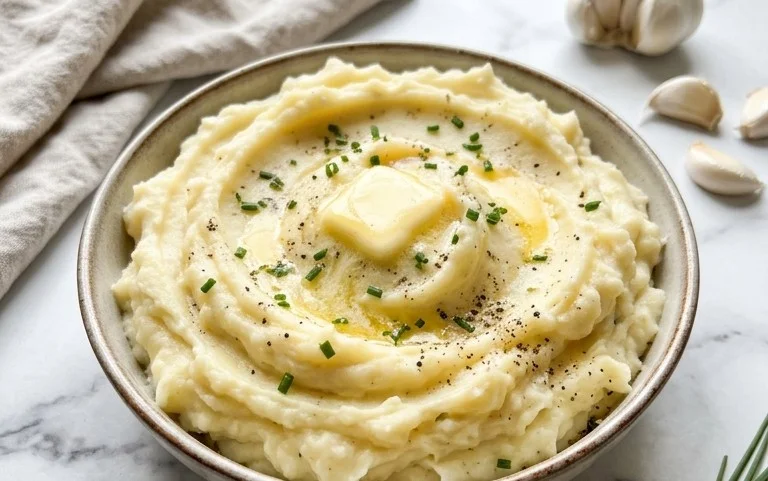
The BEST Mashed Potatoes
Mashed potatoes are more than just a side dish; they’re a comfort food staple, a foundation for countless meals. The secret to truly incredible mashed potatoes lies in the potato itself and a few simple techniques that coax out the best possible texture and flavor. We’re aiming for a mash that’s fluffy, creamy, and utterly satisfying, with just the right amount of richness. Forget gummy or watery potatoes; this is the way to get it right every single time.
Ingredients:
- 3 pounds Yukon gold or Russet potatoes (about 8 medium Yukon gold or 4 medium Russet)
- 4 tablespoons unsalted butter (at room temperature, cut into 4 pieces, plus more if desired, to taste)
- 1 teaspoon salt (divided, plus more to taste)
- ¼ teaspoon pepper (or to taste)
- ½ cup whole milk (warmed, plus more as needed)
Preparing the Potatoes
The first step to perfect mashed potatoes is choosing the right potato. Yukon Golds are my go-to for their buttery flavor and slightly waxy texture, which results in a creamy mash without becoming gluey. Russets are also excellent, especially if you prefer a lighter, fluffier texture. Regardless of your choice, scrub the potatoes thoroughly to remove any dirt. You can peel them or leave the skin on, depending on your preference. If you leave the skin on, make sure it’s very clean. Cut the potatoes into roughly equal-sized pieces, about 1.5 to 2 inches. This ensures they all cook at the same rate, preventing some from becoming mushy while others are still undercooked.
Cooking the Potatoes
Place the cut potatoes in a large pot. Cover them with cold water by about an inch. Don’t add the salt yet; adding salt to the cooking water can sometimes make the potatoes absorb water unevenly or get waterlogged. Bring the water to a boil over high heat, then immediately reduce the heat to medium-low. You want a gentle simmer, not a rolling boil, which can break apart the potatoes too much before they’re cooked through. Add about half a teaspoon of the salt to the water once it starts simmering.
Cook the potatoes until they are fork-tender. This means when you pierce a potato piece with a fork or a knife, it should slide in with very little resistance. This usually takes about 15 to 20 minutes, depending on the size of your potato chunks and the type of potato. It’s important not to overcook them, as this can lead to a watery mash.
Draining and Drying
This is a critical step often overlooked. Once the potatoes are tender, drain them thoroughly in a colander. Let them sit in the colander for a few minutes to allow excess steam to escape. You can even return the empty pot to the stove over very low heat for a minute or two, gently shaking the drained potatoes around in the dry pot. This evaporates any residual moisture clinging to the potatoes, which is key to avoiding a watery mash. The potatoes should feel dry to the touch and look slightly fluffy.
Mashing the Potatoes
Transfer the hot, dry potatoes back into the pot you used for boiling. While the potatoes are still hot, add the room-temperature butter. The residual heat from the potatoes will start melting the butter. Now, it’s time to mash. You have a few options here: a potato ricer or food mill will give you the absolute smoothest, lightest mash. A sturdy potato masher is also a great tool; just be sure to press down firmly and consistently. Avoid using a food processor or an electric mixer, as these can overwork the starch in the potatoes, resulting in a gummy, wallpaper-paste-like texture. Mash the potatoes until they are mostly smooth but still have a few small lumps for texture, unless you prefer them completely smooth. Add the remaining half teaspoon of salt and the ¼ teaspoon of pepper during this mashing process. Taste as you go and adjust salt and pepper as needed.
Adding the Dairy
Warm your whole milk gently. You can do this in a small saucepan over low heat or in the microwave. Warm milk incorporates better into the mashed potatoes than cold milk, helping to keep them warm and creamy. Gradually add the warm milk to the mashed potatoes, a little at a time, while continuing to mash or stir gently. You’re looking for a creamy, smooth consistency that holds its shape but isn’t stiff. Add just enough milk to achieve your desired texture. If you want even richer mashed potatoes, you can substitute some or all of the milk with heavy cream or half-and-half. Always start with the recommended amount and add more only if needed; it’s easier to add liquid than to take it away.
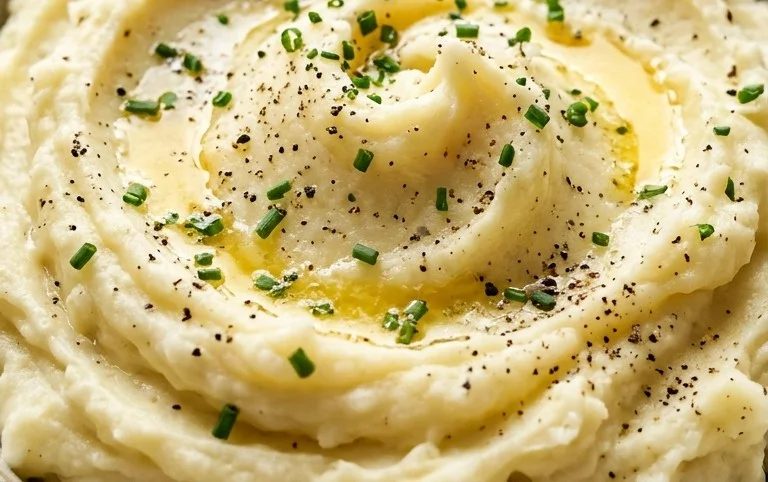
For an extra touch of decadence, you can stir in an additional tablespoon or two of butter right at the end, letting it melt into the warm mash. Serve immediately for the best flavor and texture. These mashed potatoes are a wonderful accompaniment to roasted meats, poultry, or as the star of their own show with a generous dollop of extra butter and a sprinkle of chives.
Conclusion:
Making The BEST Mashed Potatoes is all about respecting the potato and using simple, proven methods. The result is a side dish that’s incredibly versatile, always comforting, and a crowd-pleaser no matter the occasion. Whether you’re serving them with a Sunday roast or alongside a weeknight dinner, these mashed potatoes deliver on texture and flavor every time. Don’t be afraid to adjust the butter, milk, salt, and pepper to your personal preference – that’s the beauty of making them yourself.
Serving Suggestions:
These mashed potatoes are a classic pairing for roasted meats like chicken, turkey, or beef. They’re also fantastic with gravy, especially during holidays. For a lighter meal, consider serving them with pan-seared fish or a hearty vegetable stew.
Variations:
Want to mix things up? Stir in some roasted garlic for a deep, savory flavor, or add a handful of chopped fresh chives or parsley for a pop of color and freshness. A dollop of sour cream or Greek yogurt can add extra tanginess and creaminess. For a richer mash, swap some of the milk for heavy cream.
FAQs:
What’s the best way to mash potatoes?
Avoid using a food processor or blender, as this can make them gluey. A potato masher is ideal for a fluffy texture. If you prefer very smooth potatoes, a ricer or food mill will give you that result without breaking down the starches too much. Gently fold in the butter and milk after mashing.
How do I prevent my mashed potatoes from being watery?
Ensure your potatoes are cooked through but not overcooked. Drain them very thoroughly after boiling, letting them steam dry in the colander for a minute or two. Make sure to warm your milk and butter before adding them; cold liquids can shock the starches and make the potatoes watery and dense.
The BEST Mashed Potatoes
Creamy and flavorful mashed potatoes, the perfect side dish for any meal. Using Yukon Gold or Russet potatoes ensures a fluffy texture, while butter and warmed milk create a rich and satisfying experience. Seasoned to perfection with salt and pepper.
Ingredients
-
3 pounds Yukon gold or Russet potatoes
-
4 tablespoons unsalted butter, at room temperature, cut into 4 pieces
-
1 teaspoon salt, divided
-
¼ teaspoon pepper
-
½ cup whole milk, warmed
-
More butter, to taste
-
More salt, to taste
Instructions
-
Step 1
Peel and quarter the potatoes. Place them in a large pot and cover with cold water by about an inch. Add half of the salt. -
Step 2
Bring to a boil, then reduce heat and simmer for about 15-20 minutes, or until fork-tender. -
Step 3
Drain the potatoes thoroughly. Return them to the hot, empty pot for a minute to dry out any remaining moisture. -
Step 4
Mash the potatoes using a potato masher or ricer until smooth but not gummy. Gradually incorporate the butter pieces, allowing them to melt. -
Step 5
Add the warmed milk, salt, and pepper. Stir until the potatoes are creamy and well combined. Add more milk if needed for desired consistency. -
Step 6
Taste and adjust seasoning with additional salt and pepper as needed. Serve hot, with extra butter if desired.
Important Information
Nutrition Facts (Per Serving)
It is important to consider this information as approximate and not to use it as definitive health advice.
Allergy Information
Please check ingredients for potential allergens and consult a health professional if in doubt.