Cranberry Orange Bundt Cake Recipe
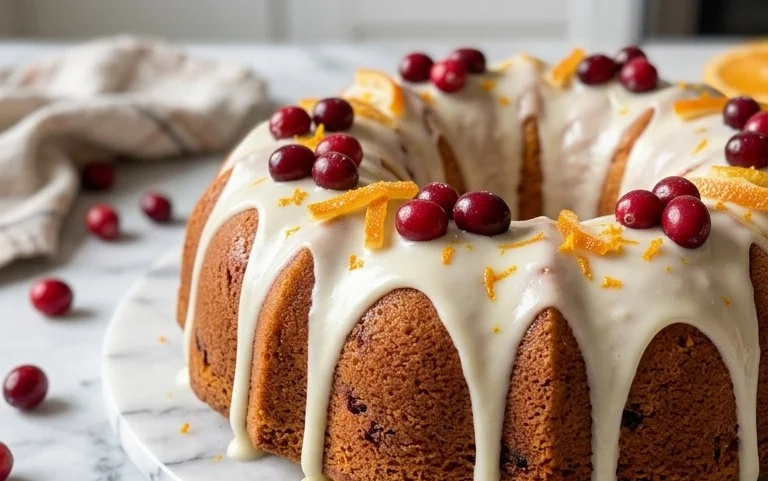
Cranberry Orange Bundt Cake is what I love to bake when the weather turns cooler. The bright citrus notes from the orange zest and juice cut through the richness of the cake, while the fresh cranberries add little pops of tartness. It’s beautiful enough for a holiday gathering, but simple enough for a weekend treat. The streusel-like topping of cranberries and sugar before baking adds a lovely texture and visual appeal. This recipe uses simple ingredients you likely already have in your pantry or fridge, making it an accessible bake for anyone. The combination of tart cranberries and fragrant orange is a classic for a reason. It’s comforting yet bright, making it a versatile dessert that feels special without being overly complicated. The tender crumb of the cake itself is enhanced by the sour cream, which adds moisture and a slight tang. You’ll want to use fresh cranberries here; dried ones won’t give you that same burst of tartness or pretty color.
Cranberry Orange Bundt Cake
This Cranberry Orange Bundt cake is what I love to bake when the weather turns cooler. The bright citrus notes from the orange zest and juice cut through the richness of the cake, while the fresh cranberries add little pops of tartness. It’s beautiful enough for a holiday gathering, but simple enough for a weekend treat. The streusel-like topping of cranberries and sugar before baking adds a lovely texture and visual appeal.
Ingredients:
- 1 1/2 cups flour
- 2 teaspoons baking powder
- 1/4 teaspoon salt
- 1 cup sour cream
- 1 cup sugar
- 3 large eggs
- zest of one orange – about 1 tablespoon
- juice of an orange
- 1/2 cup butter
- 2 tablespoons sugar
- 1 1/2 cups fresh cranberries
- For the Icing:
- 1 cup powdered sugar
- 2 – 3 tablespoons water, milk or orange juice.
Making the Cake Batter
First, let’s get our dry ingredients ready. In a medium bowl, whisk together the 1 1/2 cups flour, 2 teaspoons baking powder, and 1/4 teaspoon salt. Whisking them together ensures the leavening agent and salt are evenly distributed, which helps the cake rise evenly and prevents pockets of saltiness. Set this aside for now.
In a separate, larger bowl, I like to start by creaming the butter and sugar. This is where you get that lovely, light texture. Take your 1/2 cup butter (make sure it’s softened, not melted – this makes a big difference) and beat it with the 1 cup sugar until the mixture is pale and fluffy. This process incorporates air, which is key for a tender cake. You can use an electric mixer for this, or a sturdy whisk and some elbow grease if you’re feeling ambitious. Don’t rush this step; it should take a good few minutes.
Next, it’s time to add the eggs. Add your 3 large eggs one at a time, beating well after each addition. It’s important to add them one by one so they emulsify properly into the butter and sugar mixture. If you dump them all in at once, the mixture can sometimes look curdled, although it usually bakes out okay. After the eggs are incorporated, stir in the zest of one orange (about 1 tablespoon) and the juice of an orange. The zest provides a powerful orange aroma and flavor without adding extra liquid, while the juice contributes moisture and a subtle citrus tang.
Now, we’ll alternate adding the dry ingredients and the sour cream to the wet ingredients. Start by adding about one-third of the dry ingredient mixture to the butter-egg mixture and mix on low speed (or stir gently) until just combined. Then, add half of the 1 cup sour cream and mix until it’s just incorporated. Repeat this process: add another third of the dry ingredients, then the remaining sour cream, and finally, the last of the dry ingredients. Be careful not to overmix. Overmixing develops the gluten in the flour too much, which can lead to a tough cake. Mix only until you no longer see streaks of flour.
Preparing and Baking the Bundt Cake
Before we put the batter in the pan, preheat your oven to 350 degrees Fahrenheit (175 degrees Celsius). It’s crucial to have your oven at the correct temperature when the cake goes in. Grease and flour a 9-inch or 10-inch Bundt pan thoroughly. I usually use butter and then a light dusting of flour, tapping out any excess. For extra insurance against sticking, especially with detailed Bundt pans, you can also use a baking spray that contains flour. Make sure to get into all the nooks and crannies of the pan. This step is non-negotiable for a beautiful, intact cake.
Now for the cranberries! In a small bowl, toss the 1 1/2 cups fresh cranberries with the 2 tablespoons sugar. This creates a lovely streusel-like topping that will get bubbly and delicious as it bakes. Gently fold about two-thirds of these sugared cranberries into your cake batter. You want to distribute them evenly without overworking the batter. Spoon the batter into the prepared Bundt pan. Scatter the remaining sugared cranberries over the top of the batter. They’ll sink down a bit during baking, which is perfectly fine and adds more cranberry goodness throughout the cake.
Place the Bundt pan on the middle rack of your preheated oven. Bake for 40-50 minutes. The exact baking time will depend on your oven. You’ll know it’s done when a wooden skewer or toothpick inserted into the thickest part of the cake comes out clean, or with just a few moist crumbs attached (but no wet batter). If the top starts to brown too quickly before the cake is cooked through, you can loosely tent it with aluminum foil. Once baked, let the cake cool in the pan on a wire rack for about 15 minutes. This allows the cake to set up slightly, making it easier to unmold. After 15 minutes, carefully invert the cake onto the wire rack to cool completely. If it’s sticking, you can gently run a thin spatula around the edges, but it usually comes out cleanly if the pan was well-greased.
Making the Glaze and Finishing Touches
While the cake is cooling, prepare the icing. In a small bowl, whisk together the 1 cup powdered sugar. Gradually add 2 to 3 tablespoons of liquid – water, milk, or orange juice are all great options. I prefer orange juice for an extra citrus kick that complements the cake. Start with 2 tablespoons and add more, a teaspoon at a time, until you reach your desired consistency. You want a glaze that is thick enough to coat the cake but thin enough to drizzle easily. It shouldn’t be runny, or it will just slide right off.
Once the cake is completely cool, you can drizzle the glaze over the top. You can use a spoon or a piping bag for a more decorative effect. If you have any leftover fresh cranberries, you can sprinkle a few on top of the glaze for garnish. This cake is wonderful served at room temperature. It keeps well at room temperature for a couple of days, or you can store it in an airtight container in the refrigerator for up to a week. If refrigerating, let it come to room temperature before serving for the best texture and flavor.
Conclusion:
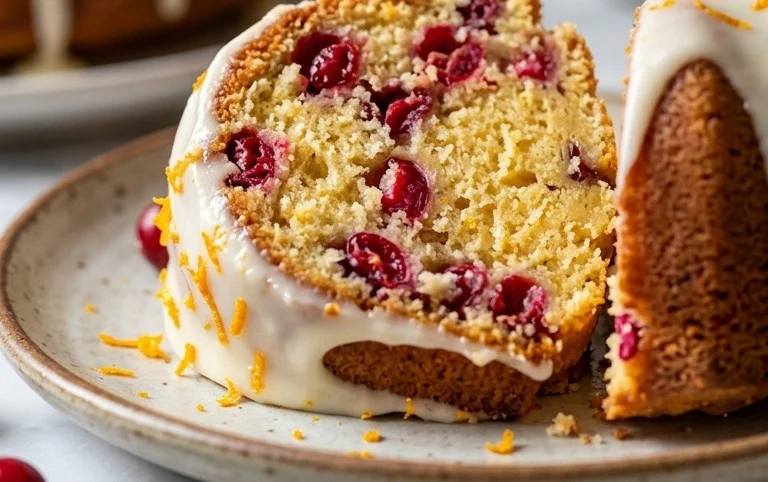
This Cranberry Orange Bundt Cake truly is a joy to make and to share. It strikes that perfect balance between comforting and bright, with the tartness of the cranberries and the zesty fragrance of orange. The moist crumb, thanks to the sour cream, and the delightful texture from the sugar topping make it a winner every time. It looks festive enough for any holiday table but is simple enough for an afternoon pick-me-up with a cup of tea. Don’t be afraid to experiment with the icing – a simple glaze or a cream cheese frosting can also be delicious. Serve it slightly warm or at room temperature. It pairs wonderfully with a dollop of whipped cream or a scoop of vanilla ice cream. For variations, you could add a pinch of cinnamon or nutmeg to the dry ingredients for extra warmth, or even a tablespoon of Grand Marnier Extract to the batter for a more grown-up flavor. This cake keeps well, making it perfect for making ahead of guests.
Frequently Asked Questions:
Can I use frozen cranberries instead of fresh?
Yes, you can use frozen cranberries. There’s no need to thaw them first; just toss them with a little extra flour before adding them to the topping mixture to prevent them from bleeding too much color into the cake. They will release more moisture as they bake.
How should I store leftover Cranberry Orange Bundt Cake?
Store the cake in an airtight container at room temperature for up to 3 days. If your kitchen is very warm, you can refrigerate it, but bring it back to room temperature before serving for the best texture. The icing can sometimes make the cake stick to the container, so consider placing a piece of parchment paper inside.
Can I make this cake without a Bundt pan?
Absolutely! You can bake this batter in a standard 9×13 inch baking pan or in two 8 or 9-inch round cake pans. Adjust the baking time accordingly; a 9×13 pan will likely take around 35-45 minutes, and round pans about 30-35 minutes. Check for doneness with a toothpick.
Cranberry Orange Bundt Cake
A moist and flavorful bundt cake bursting with the bright flavors of cranberry and orange.
Ingredients
-
1 1/2 cups flour
-
2 teaspoons baking powder
-
1/4 teaspoon salt
-
1 cup sour cream
-
1 cup sugar
-
3 large eggs
-
zest of one orange – about 1 tablespoon
-
juice of an orange
-
1/2 cup butter
-
2 tablespoons sugar
-
1 1/2 cups fresh cranberries
-
1 cup powdered sugar
-
2 – 3 tablespoons water
Instructions
-
Step 1
Preheat oven to 350°F (175°C). Grease and flour a 10-cup bundt pan. -
Step 2
In a medium bowl, whisk together flour, baking powder, and salt. Set aside. -
Step 3
In a large bowl, cream together softened butter and 1 cup sugar until light and fluffy. Beat in eggs one at a time. Stir in orange zest and orange juice. -
Step 4
Gradually add the dry ingredients to the wet ingredients, alternating with the sour cream, beginning and ending with dry ingredients. Mix until just combined. -
Step 5
Gently fold in the fresh cranberries and 2 tablespoons of sugar. -
Step 6
Pour batter into the prepared bundt pan and bake for 45-55 minutes, or until a wooden skewer inserted into the center comes out clean. -
Step 7
Let the cake cool in the pan for 10 minutes before inverting it onto a wire rack to cool completely. -
Step 8
For the icing, whisk together powdered sugar and 2 tablespoons of water (or milk/orange juice) until smooth. Add more liquid if needed to reach desired consistency. Drizzle over the cooled cake.
Important Information
Nutrition Facts (Per Serving)
It is important to consider this information as approximate and not to use it as definitive health advice.
Allergy Information
Please check ingredients for potential allergens and consult a health professional if in doubt.